


Filter by price
Stock status
Showing all 4 resultsSorted by latest
Trader Joe’s Chile Lime Seasoning Blend
$10.00Trader Joe’s Chile Lime Seasoning Blend is the The Ultimate Sweet, Sour, and Spicy Flavor Fusion

Trader Joe’s 21 Seasoning Salute
$10.00Trader Joe’s 21 Seasoning Salute is a vibrant mix that balances earthy aromatics like rosemary, thyme, and oregano with the savory warmth of onion, garlic, and cumin. A bright, zesty finish from real orange peel, lemon juice powder, and a touch of lemon oil cuts through richness and awakens the palate. Completely salt-free, it is the perfect pantry staple for health-conscious cooks or anyone who wants total control over the sodium in their meals.
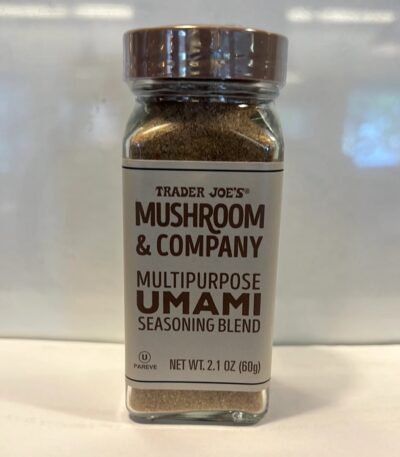
Trader Joe’s Mushroom & Company Multipurpose UMAMI Seasoning Blend
$11.00Trader Joe’s Mushroom & Company Multipurpose Umami Seasoning Blend is designed to be a “savory magic wand” for your kitchen. It captures the essence of umami—the deeply savory, earthy “fifth taste”—and bottles it into a versatile, easy-to-use powder that elevates ordinary ingredients into rich, complex dishes.

Trader Joe’s Everything but the Bagel Sesame Seasoning Blend 2.3 oz
$10.00Trader Joe’s Everything but The Bagel Sesame Seasoning Blend is the only everything seasoning you’ll ever need for decorating and yummifying the tops of bagels—but that’s not everything. This simple (yet exemplary) blend of Sesame seeds (white and black), poppy seeds, dried garlic & onion, and sea salt flakes is all you need for bringing that crunchy, roasted, savory flavor to grilled chicken, buttered popcorn, baked potatoes, creamy dips, pizza dough, salad dressings, pasta, Mac & cheese, or anything.
7 Reasons to Plant a Fruit Tree.
Fruit trees are fantastic multitaskers in your garden. They not only provide delicious food for you, but also attract birds and beneficial insects, creating cozy spots for them to shelter and nest. Planting them is a breeze, especially between October and March, and they can really enhance the beauty and productivity of your space. Plus, the birds and insects they attract will naturally help manage those pesky garden pests.
1. Homegrown fruit
There is little that compares to the experience of harvesting an apple directly from your own tree. You have complete knowledge of the cultivation process behind each fresh, nutritious, and organic fruit, while also minimizing food transportation distances. Establishing a community orchard can extend the benefits of free produce and access to nature to a wider audience.
2. Beautiful blossom in spring
The blossoms of fruit trees are not only visually appealing but also play a crucial role in the early part of the year by providing nectar for pollinators. Species such as plums and cherries may begin to bloom as early as January.
3. Creating an ecosystem
An apple tree can significantly contribute to the ecological balance of your garden, offering habitats for various creatures including earwigs, spiders, moths, beetles, and birds. Unlike many other trees, fruit trees develop hollows, crevices, decaying wood, and fungi at a much earlier stage (approximately 50 years compared to 300 years for an oak), making them a ‘priority habitat’ for rare species.
4. Fallen food sources
Windfall apples serve as an excellent food source for birds and small mammals, including hedgehogs. They also provide a sugar boost for butterflies during the late season.
5. Supports a healthy environment
All trees, regardless of size, play a vital role in absorbing carbon dioxide from the atmosphere and releasing oxygen. They also assist in mitigating pollution and preventing soil erosion. In urban settings, trees can aid in stormwater management and help alleviate flooding.
6. Help with drought tolerance
Trees offer shade and, through the process of transpiration, help maintain a cooler environment in your garden during the summer months. If they provide shade to your home, they may also contribute to lowering your energy expenses. Slow-growing trees adapt to their local conditions over time, enhancing their resilience to climate changes.
7. Low-cost, low-maintenance, long-term food production
In comparison to other food crops, these deep-rooted, long-lived perennials are cost-effective—especially when planted from bare roots—and require minimal maintenance. During their first two years, they need weekly watering from March to September, particularly in hot weather, along with winter pruning.